What Can I Grow Successfully in a UK Garden? (A Beginner’s Guide)
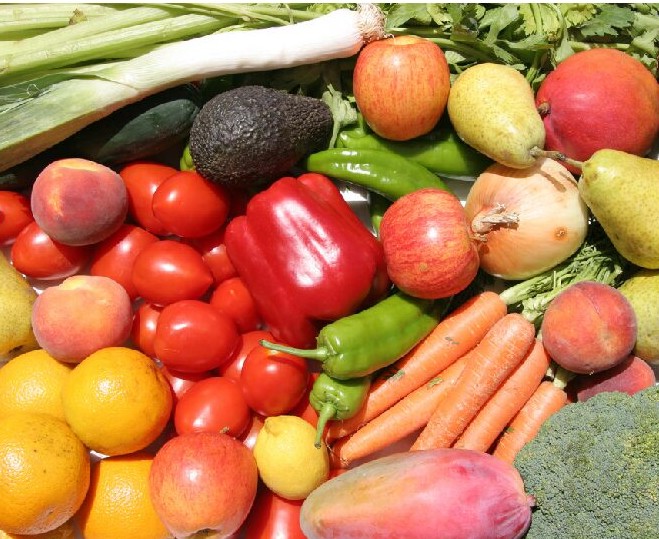
If you’re new to growing your own fruit and vegetables, one of the biggest challenges isn’t effort — it’s knowing what to grow in the first place.
Many people start with crops they’ve seen online or in magazines, only to find they struggle in a typical UK garden. The result is disappointment, wasted time, and often giving up altogether.
The good news is this: the UK climate is actually very well suited to growing a wide range of fruit and vegetables — if you start with the right ones.
This guide focuses on reliable, forgiving crops that grow well in most parts of the UK and are ideal for beginners.
What makes the UK good (and sometimes tricky) for growing food
The UK has a temperate climate, which brings both advantages and challenges.
On the plus side:
- We rarely experience extreme heat or cold
- Rainfall is generally consistent
- Many crops enjoy our mild summers
The challenges:
- Weather can be unpredictable
- Summers are shorter than in warmer countries
- Some crops need protection to thrive
This means success comes from choosing crops that suit our conditions, rather than fighting against them.
Vegetables that grow well in most UK gardens
If you want early wins and steady results, these vegetables are a good place to start.
Potatoes
One of the most reliable crops you can grow.
- Tolerant of cooler temperatures
- Grow well in the ground, raised beds, or containers
- Very satisfying for beginners
Courgettes
Productive and forgiving.
- One or two plants are usually plenty
- Grow quickly once established
- Thrive in UK summers
Lettuce
Ideal for small spaces and containers.
- Fast-growing
- Can be sown little and often
- Tolerates cooler conditions
Onions
Low-maintenance and dependable.
- Grow well from sets
- Store well after harvest
- Suitable for most soils
Broad Beans
Excellent for early planting.
- Hardy in cooler weather
- Improve soil quality
- Reliable yields in spring and early summer
Beetroot
Simple and versatile.
- Grows well in cooler temperatures
- Can be harvested at different sizes
- Works well in containers
These crops don’t demand perfect conditions — which is exactly what beginners need.
Fruit that’s realistic for UK beginners
Fruit often requires patience, but some types are surprisingly easy to grow.
Strawberries
One of the best beginner fruits.
- Suitable for pots, hanging baskets, or beds
- Productive and rewarding
- Easy to protect from pests
Raspberries
Very reliable once established.
- Thrive in UK conditions
- Produce for many years
- Require minimal care after planting
Currants (red, black, white)
Often overlooked but excellent growers.
- Hardy and low maintenance
- Ideal for cooler climates
- Great for small gardens
Apples
A longer-term investment.
- Choose varieties suited to the UK
- Dwarf rootstocks work well in small gardens
- Very rewarding over time
Fruit won’t give instant results, but it’s well worth including some in your plans.
Crops beginners may want to avoid at first
Some vegetables can be grown in the UK, but they often cause frustration early on.
You may want to leave these until you’ve built confidence:
- Sweetcorn (needs heat and space)
- Melons (require warmth and protection)
- Aubergines (best grown under cover)
- Overcrowded planting of anything
Starting simple leads to far better results than trying to grow everything at once.
How much space do you really need?
You don’t need a large garden to grow your own food.
- Back gardens can support a surprising amount of produce
- Raised beds make soil management easier
- Containers are ideal for lettuces, herbs, and fruit
- Allotments allow for larger crops and rotation
The key is not size — it’s planning and choosing suitable crops.
A simple way to start
If you’re new to grow-your-own gardening, start small:
- Choose 3–5 crops
- Focus on learning their needs
- Build confidence before expanding
Growing your own food should be enjoyable, not overwhelming.
I’m currently putting together a simple UK grow-your-own starter guide, designed to help beginners plan what to grow and when, without overcomplicating things. If that sounds useful, keep an eye out — it’s coming soon.
Final thought
The UK is a very good place to grow fruit and vegetables — but success comes from working with the climate, not against it. Start with reliable crops, take things step by step, and you’ll be surprised at just how much you can grow.